
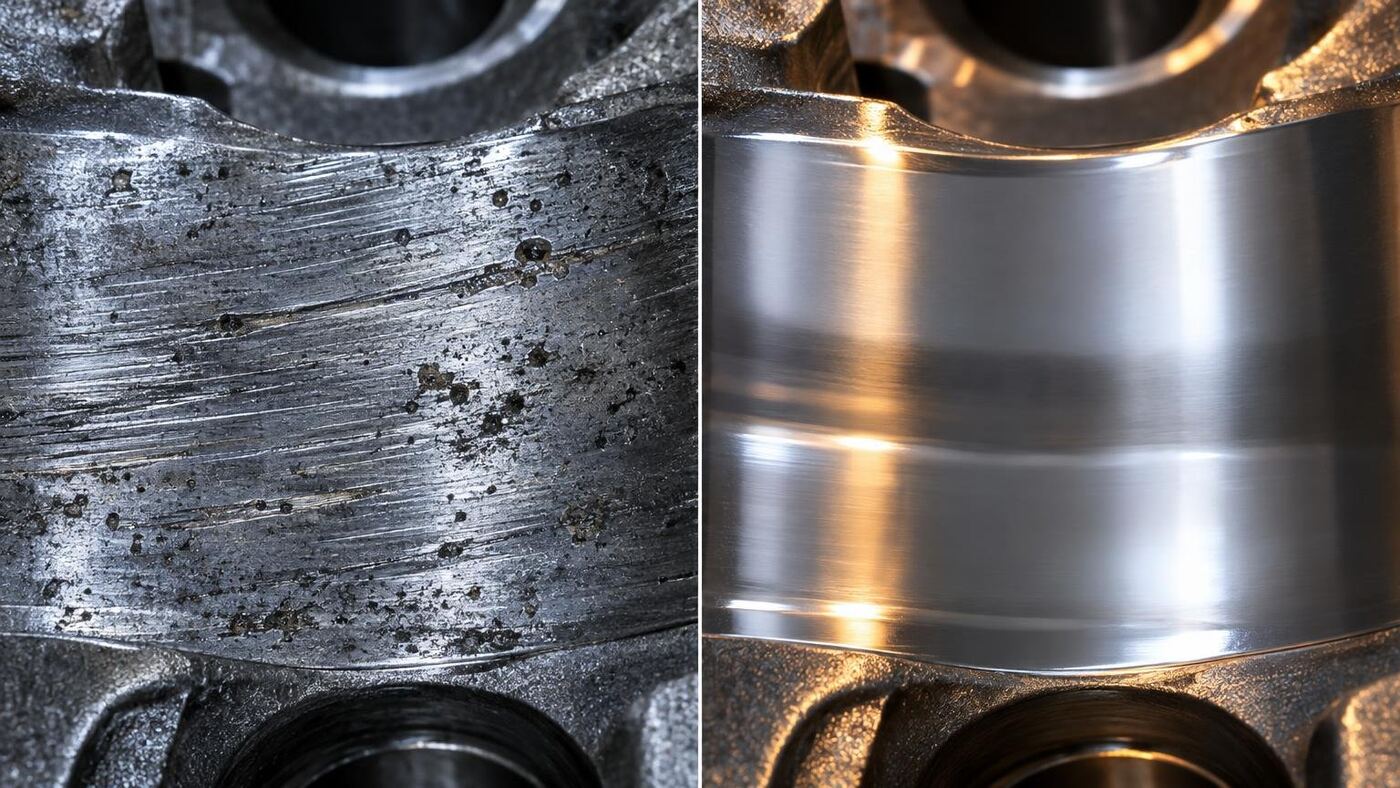
Key takeaways
- “Additive” covers very different products — cleaners, thickeners, friction modifiers and surface treatments.
- Many cheap additives work by thickening oil, which can hide symptoms and fight your engine's specified viscosity.
- XADO revitalizant is designed differently: it rides in the oil and works on the metal surface, without changing viscosity, according to XADO.
- Ask a workshop to diagnose first. No additive fixes broken parts.
Ask ten drivers in a Singapore coffee shop about oil additives and you'll get ten opinions — from “miracle in a bottle” to “waste of money”. The truth is that both camps are partly right, because “additive” describes several very different kinds of product.
The four types of aftermarket additive
| Type | How it works | Watch out for |
|---|---|---|
| Viscosity improvers / “oil thickeners” | Make oil thicker to quieten noise and reduce smoke | Can move oil out of the grade your engine needs; masks wear |
| Cleaners / flushes | Dissolve sludge and carbon before an oil change | Only a pre-service step; follow instructions |
| Friction modifiers (e.g. PTFE, moly) | Coat surfaces with a slippery film | Effect fades as film wears; not all are suited to modern engines |
| Surface treatments (XADO revitalizant) | Use friction heat to build a ceramic-metal layer on worn metal | Works on wear, not on broken parts |
Why XADO is in a category of its own
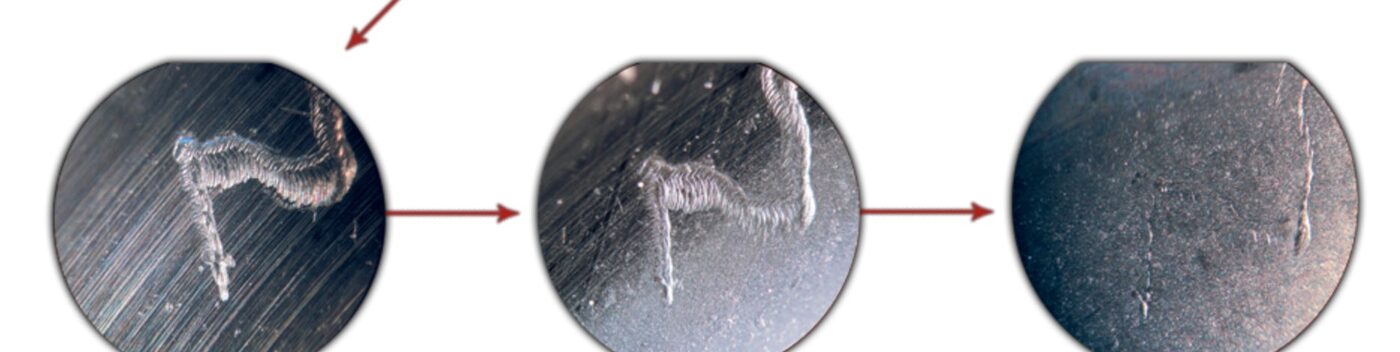
XADO's patented revitalizant doesn't try to change your oil. The oil is simply the delivery truck. At the hottest, most heavily loaded friction points, XADO says the revitalizant triggers the formation of metal carbides that bond with worn-off metal particles, building a hard, smooth cermet layer back onto the surface. See the full process and lab test.
Want an honest opinion on your engine? An authorised XADO workshop will check it before recommending anything.
Find a workshopHow to tell if an additive is worth it
- Does it keep your oil in spec? Avoid products that work by thickening oil.
- Is there a clear mechanism? “Magic” claims with no technical explanation are a red flag.
- Is it a known brand with traceable manufacturing? XADO products are made under XADO Germany and XADO Lube B.V. (Netherlands) licences.
- Is it fitted by a professional? The right dosage and product for your engine matters.
The bottom line
A good additive is not a substitute for servicing — it's an upgrade to it. In a country where COE is above $130,000, protecting the engine you already paid for is just sensible. Read: protecting your engine in the COE era.
FAQs
Will an oil additive void my warranty?
Check your car's warranty terms and ask your dealer or workshop. XADO's oils carry recognised specifications such as ACEA C3 and, for LX AMC Black Edition 5W30, MB 229.31; treatments should be used as directed by a professional.
Can I add XADO myself?
Products are sold retail, but having an authorised workshop choose and dose the product during an oil change is the easiest way to get it right.
How often should I use XADO?
XADO's engine treatments are typically used at oil changes; your workshop will advise the interval for your engine and driving pattern.